

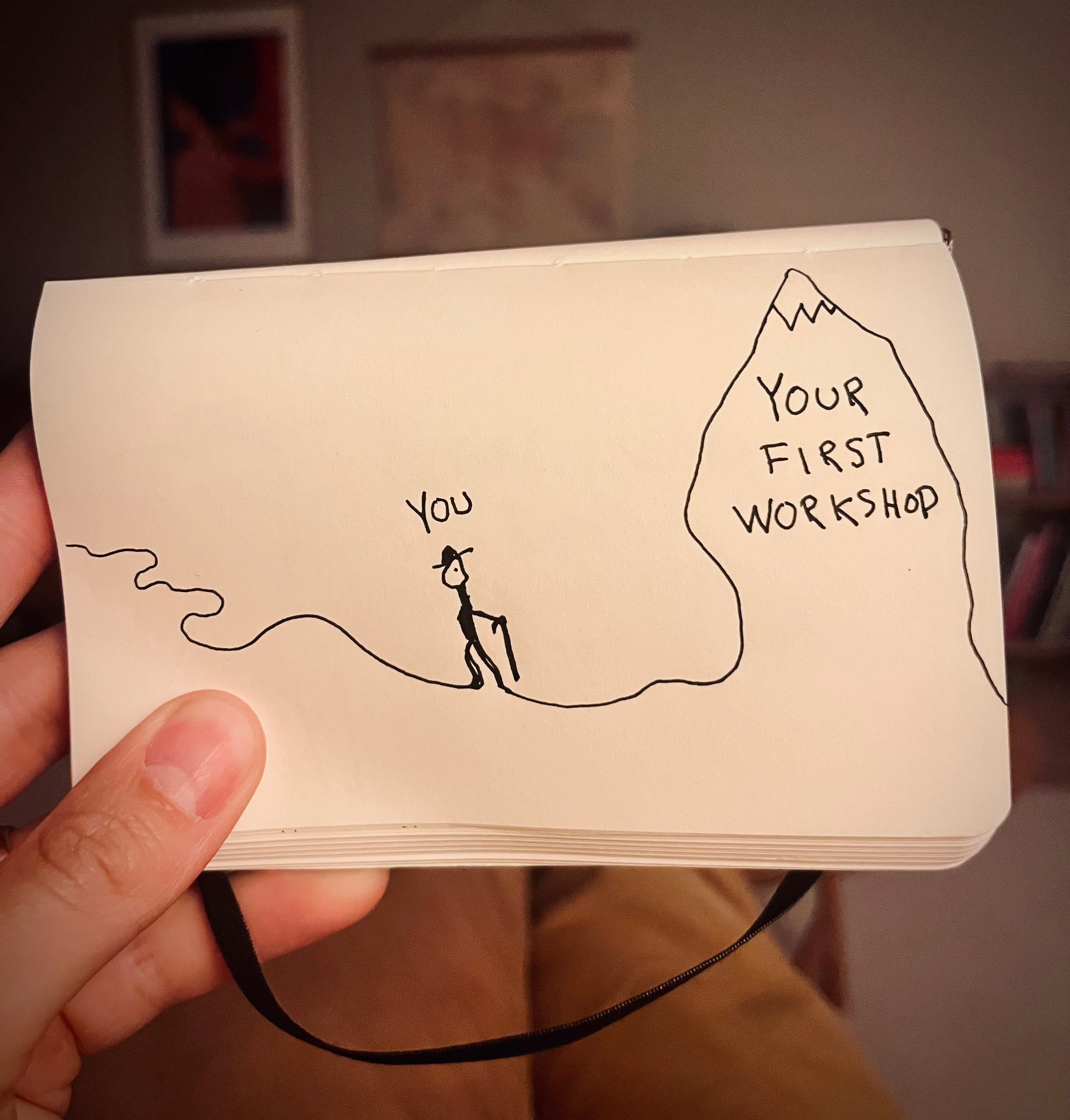
Facilitation is a skill that never goes out of style.
This is my humble attempt to walk you through five lessons I’ve learned from running countless workshops of my own, hopes are that this makes it easier for you to prepare for your first one.
Let’s dive in!
1) Take your time
The most common mistake I see people make when planning a workshop is underestimating how long their exercises will take.
They schedule an hour for an agenda that actually needs two to get through without acting like a crazy person.
This results in shortcuts
Stressful workshops are the worst, both for you as a facilitator and for everyone participating.
No one will be upset if you’re done ahead of schedule. Wrapping up 30 minutes earlier than planned is so much better than stressing people out and not being able to finish what you had in mind.
Timeboxing is incredibly difficult to get right, especially if you are new to workshops. It’s much easier to put in some buffer time than to try to calculate every exercise with precision. You still need to timebox, though :)
Just make sure to take your time!
2) Pinpoint a Desired Outcome
Depending on what you are trying to achieve with your workshop, you need to choose the right format. To do so, you must first know what you aim to accomplish.
Ask yourself what specific outcome you are looking for:
Are we pinpointing questions? (Identifying knowledge gaps and unknowns)
Are we improving collaboration? (Strengthening team dynamics)
Are we aligning stakeholders? (Reaching a consensus on direction)
Are we vision crafting? (Defining long-term goals)
Are we conducting a retrospective? (Learning from past performance)
Are we story mapping or prioritizing? (Organizing features and workloads)
Workshops can be used for many different purposes. Defining your desired outcome is essential to deciding on the right format and exercises to use.
Make sure you clearly explain this desired outcome - and why it matters to your fellow participants. You should also include it in your slide deck (if you decide to use one) as a single, impactful slide:
“Before leaving this room, everyone will have a shared idea of...”
3) Decide on exercises
Once you know what you want to achieve, you can decide on your exercises. My biggest recommendation here is to keep it simple. You can run an incredibly effective workshop using just one or two well-chosen exercises.
There is a ton of resources available out there.
To get you started, here are a few formats that I’ve used frequently over the years and can recommend you to try, depending on your specific goals:
A fast-paced process that takes you from problem to solution through rapid sketching and iterating in just a few hours.
Best for: Solving user experience (UX) and design-related problems.
Ideation Formats →
Move beyond traditional brainstorming sessions, try structured alternatives like Brainwriting, Braindrawing, Footstorming, or Crazy 8s.
Best for: generating a high volume of diverse ideas quickly - and thinking better.
Lightning Decision Jam (LDJ) →
A highly structured, democratic way to make decisions without endless discussion.
Best for: Prioritizing the most impactful solutions in a short amount of time.
A full, multi-day framework that guides a team from defining a problem to prototyping and testing a solution. While I don’t recommend running a full Design Sprint as your very first workshop, studying its structure is incredibly valuable. You can easily cherry pick and use individual exercises for smaller sessions.
Best for: End-to-end product or feature validation and deep-dive problem-solving.
The more frameworks you try, the easier it becomes to choose the right one.
Once you are comfortable with multiple methods, you can begin to jam freely, mixing and matching exercises from different formats, or even inventing your own, to create the perfect custom workshop for your desired outcome.
Just try one to start with :)
4) Dramaturgy
Regardless of the format, I suggest following this general dramaturgy. Whether you use a slide deck, whiteboard bullets, or paper handouts is your call just make it visual.
Timebox everything, but keep the specific numbers to yourself. This gives you the flexibility to adjust on the fly without the room feeling rushed or behind schedule. (And remember you have planed plenty of time)
The Workshop
Context: Why are we here?
Around the table + Icebreaker (Get everyone talking early)
Desired outcome: What we aim to achieve and why it’s important
Exercise A
Exercise B (If needed)
Wrap-up: Tying the results back toward the desired outcome
Feedback on the workshop
Thank you all!
5) Keep it small - Invite your friends
If this is your very first workshop, I recommend keeping it small.
maximum of 5 people.
Make sure to invite kind people you already know, who you know will be easygoing in a workshop format.
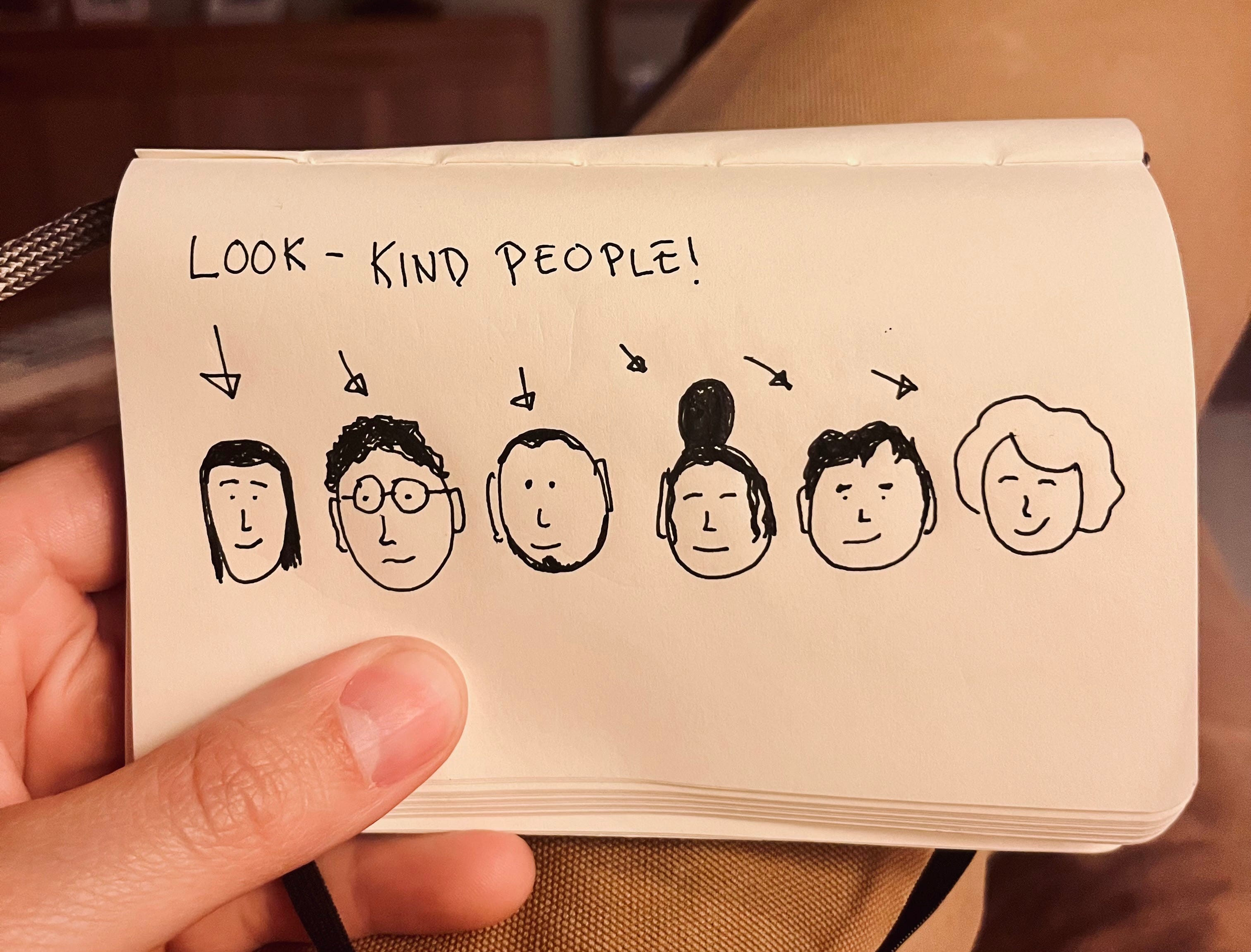
Don’t start by inviting your nemesis stakeholders, the ones who usually take over meetings and yell out their ever-present frustrations.
There will be a time for those guys later. In fact, one of the main reasons to master workshops is to build a concrete toolbox for handling difficult people and strong opinions.
Who to invite:
Lord Voldemort
Friendly college Patrick Bateman
Darth Vader
Hannibal Lecter
Gollum
But for now, go easy on yourself and start your learning journey among friends.
Choose the kind ones, and send out the meeting invitation including your planned agenda (your dramaturgy).
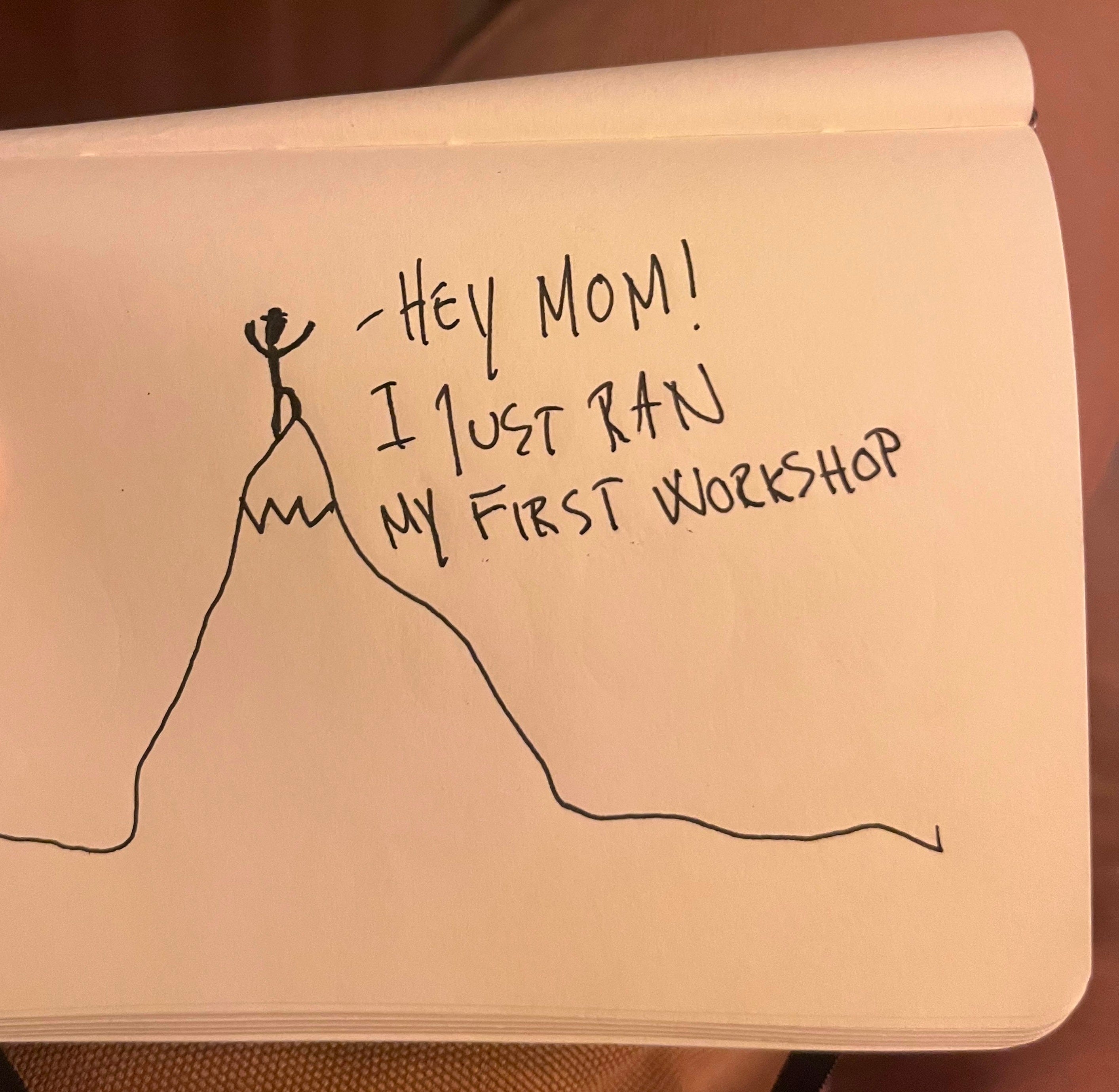
Boom!
You have just planned and scheduled your first workshop!
I can assure you that after this first one, it will be a lot easier. You will naturally start turning standard meetings into workshops, or at least including workshop exercises within your regular meetings.
Hope this helped,
Gunnar
As an evangelist of workshops, I’d be happy if this article turned just one meeting into a workshop instead.
It would make my day! Please let me know if it did.
Always Be Shipping is a free newsletter that covers topics closely related to digital product development.
Like facilitating workshops, maybe I should talk more about this? It feels like I have five more articles in me on the topic, so let me know what you think.
Anyhow, feel free to subscribe to Always Be Shipping. No strings attached, other than articles like this one delivered directly to your mailbox every other week or so.
About the Author
Hi there,
I’m Gunnar Carlén.
I’m a UX designer
turned Product Manager
turned CX Strategist,
I talk about how to solve problems and share ideas on how to build stuff that people care about, and also how to have fun while doing it.